Drying Up Protections: How Narrowing the Clean Water Act Risks Pollution in America’s Streams and Wetlands
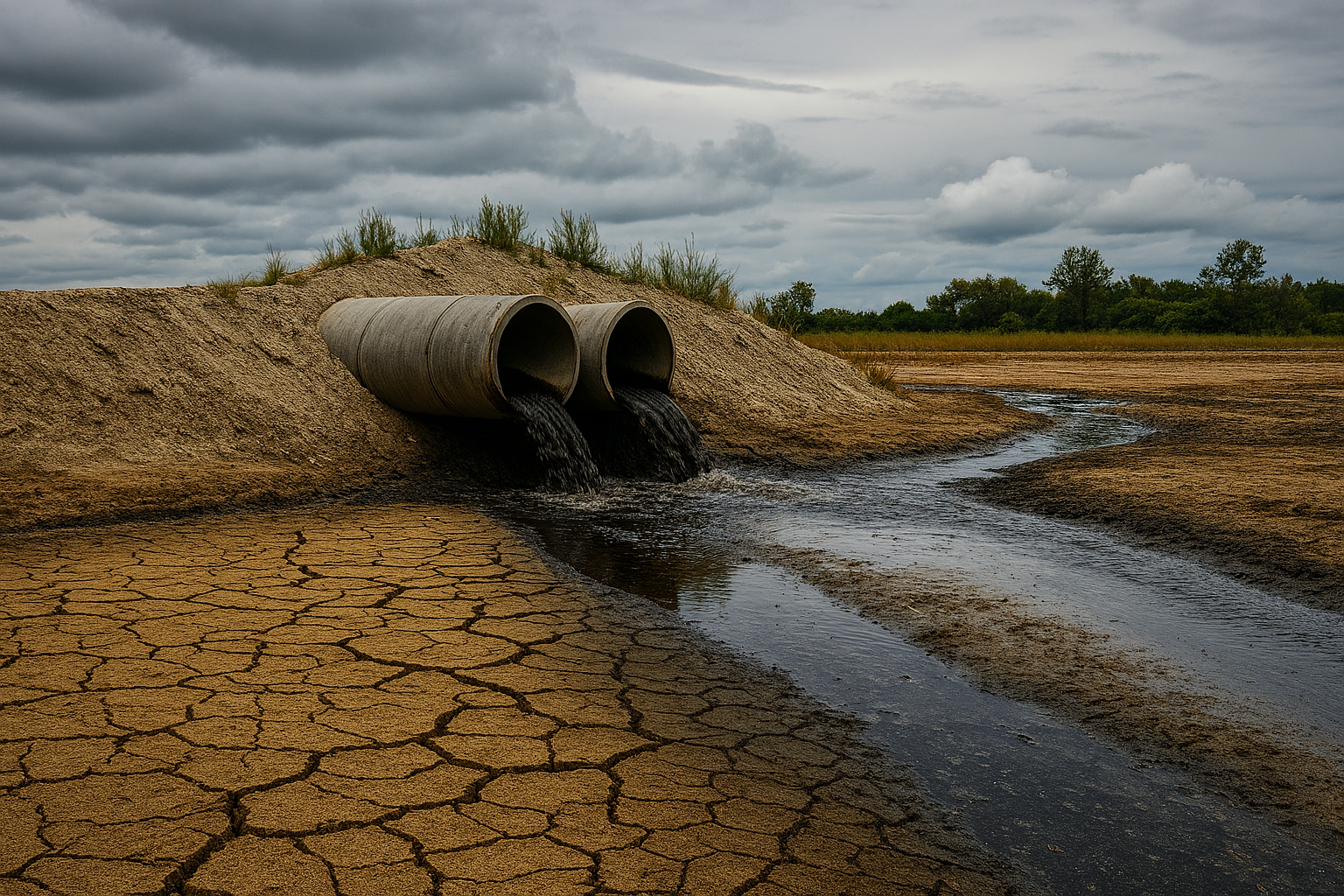
The Clean Water Act has long been America’s shield against pollution. But a new EPA proposal would narrow which waters qualify for protection, leaving wetlands, ephemeral streams, and groundwater vulnerable.
What’s Being Stripped Away
The proposal excludes ephemeral streams and groundwater from federal protection. Interstate waters would no longer be automatically safeguarded. This shift follows the Supreme Court’s Sackett v. EPA decision, which already weakened the scope of the Act.
Winners and Losers in the Rollback
Developers, farmers, and industry gain fewer permitting hurdles. But communities lose safeguards against runoff, sewage, and chemical contamination. The rollback tilts the balance toward short-term economic gain at the expense of public health.
The Violation of Trust
Pollution loopholes expand as enforcement shrinks. Regulatory oversight is weakened, leaving residents exposed. Environmental groups call the move a “reckless assault” on streams and wetlands, warning of irreversible damage.
An Allegory of Drying Shields
Water itself becomes contested, stripped of its shield. The rollback is more than a legal tweak — it is symbolic of protections evaporating, exposing hidden pollutants. The allegory of drying shields captures both the literal and figurative erosion of safety.
Conclusion: A Right at Risk
This rollback isn’t just about definitions; it’s about whether clean water remains a right or becomes a privilege. Without strong protections, America’s streams and wetlands risk becoming conduits of contamination rather than sources of life.